

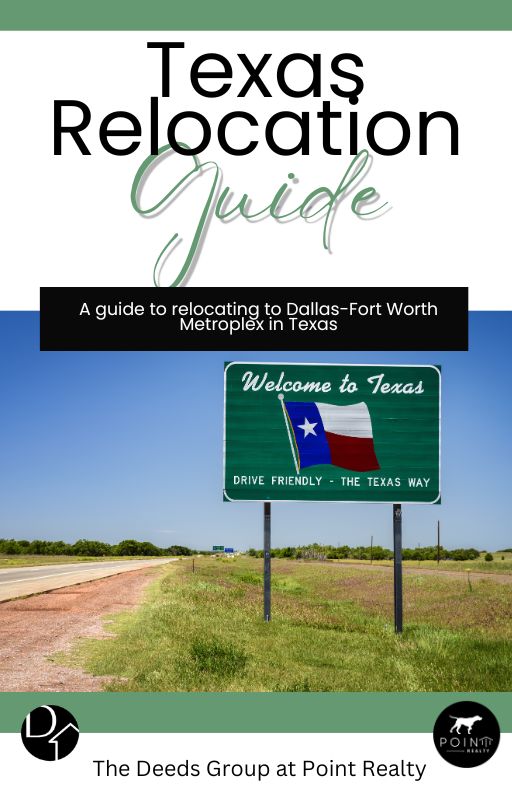
Moving to the Dallas-Fort Worth Metroplex? Start Here.
Dallas? Fort Worth? Or one of the dozens of communities in between?
That's exactly why we created our FREE Dallas-Fort Worth Relocation Guide.
Inside, you'll find helpful information about the area, communities to explore, housing, things to do and what you should know before making your move to North Texas.
Your Guide to Moving to the Dallas-Fort Worth Metroplex
Use icons or graphics for:
🏡 Where to Live
Get familiar with popular communities throughout the southern Dallas-Fort Worth Metroplex.
💰 Housing & Cost of Living
Understand how housing options and price points can vary from one community to another.
🚗 Getting Around
Dallas-Fort Worth is BIG. Learn why commute and location should be part of your decision.
🍽️ Lifestyle & Things to Do
Dining, entertainment, shopping, parks, sports and everything North Texas has to offer.
📚 Schools & Communities
Learn how to research school districts and communities as you narrow your options.
📦 Moving to Texas
Helpful information to make your transition to North Texas a little easier.
One of the first things people realize when relocating to the Dallas-Fort Worth Metroplex is just how BIG it is.
And that's why I don't believe in simply giving someone a list of the “best Dallas suburbs.”
The right area depends on you.
Where will you be working? How much space do you want? What's your home-buying budget? Do you prefer an established neighborhood or new construction? How important is proximity to shopping, restaurants, entertainment or the airport?
We specialize in helping buyers explore communities throughout the southern Dallas-Fort Worth Metroplex, including Mansfield, Arlington, Midlothian, Burleson, Grand Prairie and surrounding North Texas communities.
And even those cities can feel completely different from one another.
That's why one of our first steps with relocation clients is simply getting to know you and helping you start narrowing down the map.
GET YOUR FREE RELOCATION TO TEXAS GUIDE HERE

Broker License ID: 0619967
FAQs
To help you make informed decisions, we've compiled answers to some of the most commonly asked questions.
What should I know before moving to Dallas–Fort Worth, Texas?
Before moving to Dallas–Fort Worth (DFW), it's important to understand how large the Metroplex is, how much commute times vary, and how housing costs differ between cities and neighborhoods. Texas has no state individual income tax, but property taxes, homeowners insurance, and summer utility bills are important expenses to consider. Researching Dallas–Fort Worth suburbs, school districts, traffic patterns, and local housing markets before relocating can help you choose the right area.
What are the best suburbs of Dallas–Fort Worth to live in?
How much money do you need to move to Dallas–Fort Worth?
Does Texas have state income tax?
Are property taxes high in Dallas–Fort Worth?
Does Dallas–Fort Worth get tornadoes and severe storms?
Do you need a car to live in Dallas–Fort Worth?
Is Dallas–Fort Worth a good place to retire?
Is it better to buy a new construction home or an existing home in DFW?
Can I buy a house in Dallas–Fort Worth while living in another state?
WANT TO START EXPLORING COMMUNITIES?

Moving to Texas?
Your Guide to Living in Dallas–Fort Worth
Discover the best places to live in North Texas, explore Dallas–Fort Worth suburbs, compare housing options, and learn what to expect when relocating to the DFW Metroplex.
The Dallas–Fort Worth area continues to attract people relocating from other states and other parts of Texas. With a diverse employment market, major business centers, entertainment, shopping, restaurants, and a wide range of housing options, the Metroplex offers opportunities for many different lifestyles.
One of the first decisions people face when moving to the Dallas–Fort Worth Metroplex is deciding which side of DFW fits their lifestyle.
Before relocating to North Texas, understanding the true cost of living in Dallas–Fort Worth is an important part of planning your move.
If you're searching for the best suburbs of Dallas–Fort Worth, the right location will depend on your commute, housing budget, preferred amenities, and the lifestyle you want.
Mansfield, TX: Located south of Arlington, Mansfield is known for its community events, historic downtown, parks, shopping, and variety of housing options. Buyers can explore established neighborhoods, newer subdivisions, luxury properties, and new construction homes in Mansfield.
Arlington, TX: Situated between Dallas and Fort Worth, Arlington offers a central location, entertainment destinations including AT&T Stadium and Globe Life Field, established residential neighborhoods, and convenient access to major highways.
Grand Prairie, TX: Located between Dallas and Fort Worth, Grand Prairie offers established neighborhoods, new construction communities, outdoor recreation near Joe Pool Lake, and access to major employment and entertainment destinations.
Burleson, TX: Just south of Fort Worth, Burleson appeals to buyers looking for suburban conveniences, a historic downtown, community activities, new construction, and opportunities for homes with more land in surrounding areas.
Midlothian, TX: Located south of the Metroplex in Ellis County, Midlothian offers a mix of growing residential communities, new construction neighborhoods, established homes, and properties with acreage.
When comparing where to live in DFW, it's important to look beyond the city name. Neighborhood location, commute routes, school district boundaries, property taxes, and housing availability can vary significantly within the same city.
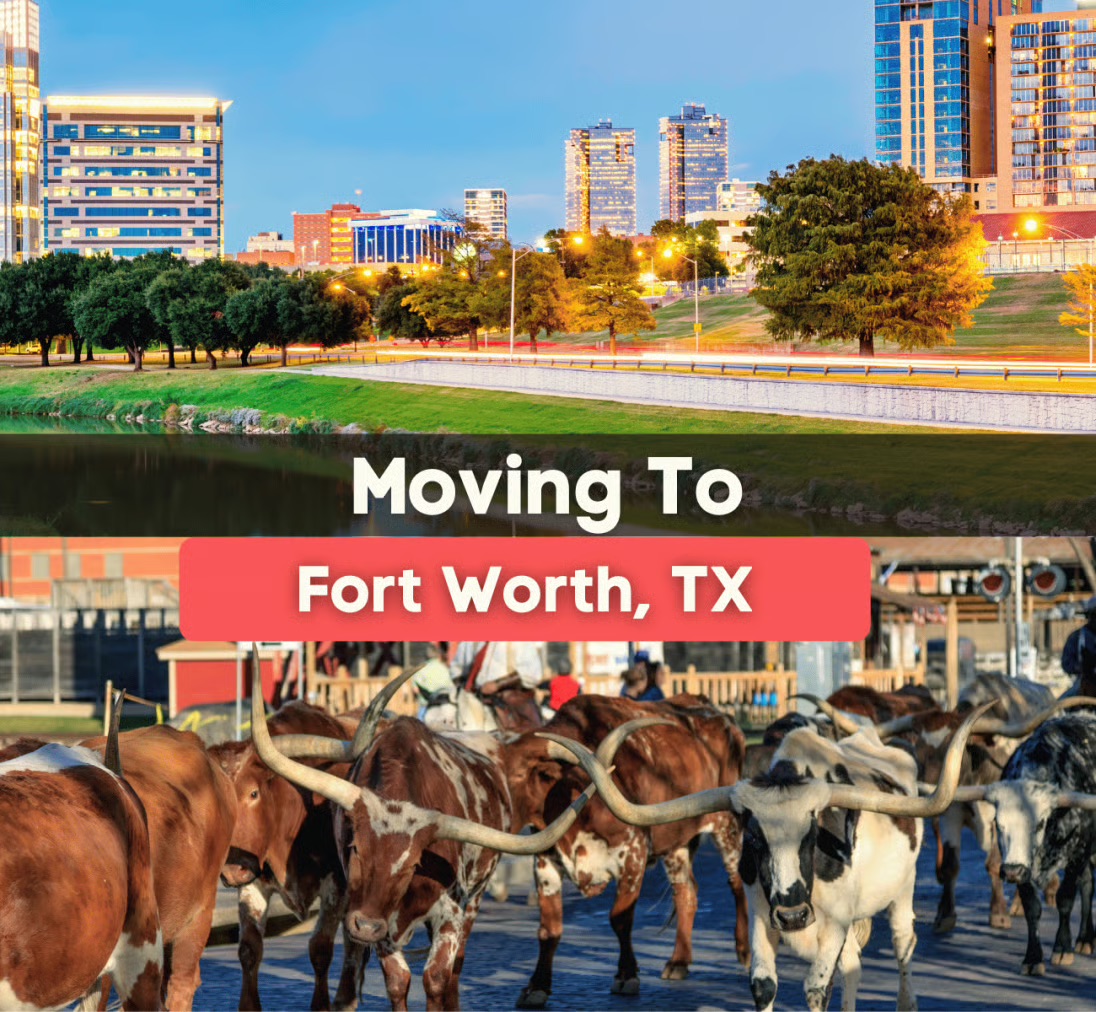
Living in Dallas–Fort Worth means experiencing hot Texas summers, generally mild winters, and plenty of opportunities to enjoy outdoor activities throughout much of the year.
The Metroplex offers professional sports, lakes, golf courses, parks, walking trails, shopping destinations, restaurants, museums, and year-round community events.
One of the biggest things to understand before moving to DFW is how spread out the region is. Driving is a major part of everyday life for many residents, and commute times can change significantly depending on traffic and your specific neighborhood.
That's why choosing where to live in Dallas–Fort Worth should involve more than finding a house you love. It's about understanding what everyday life will look like once you move in.

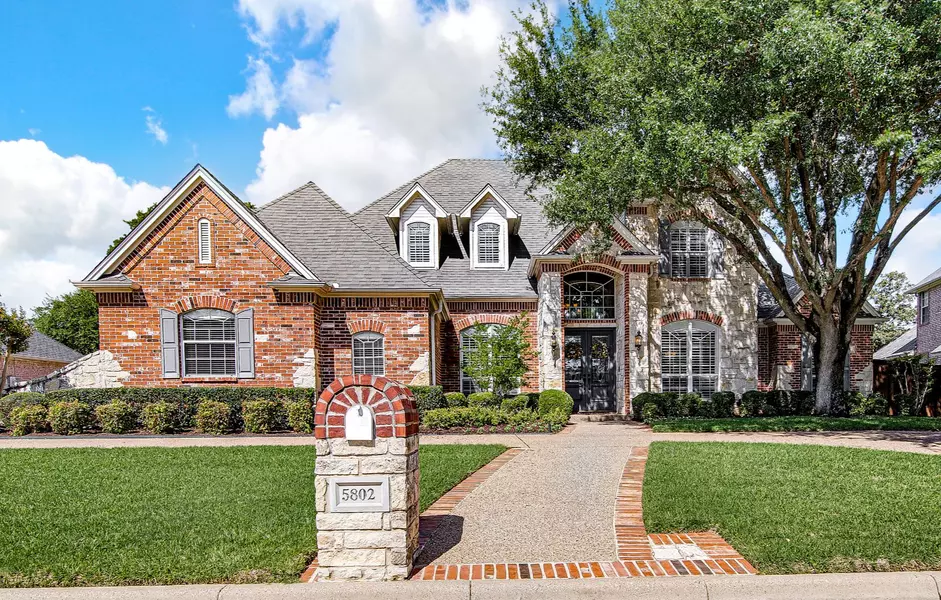
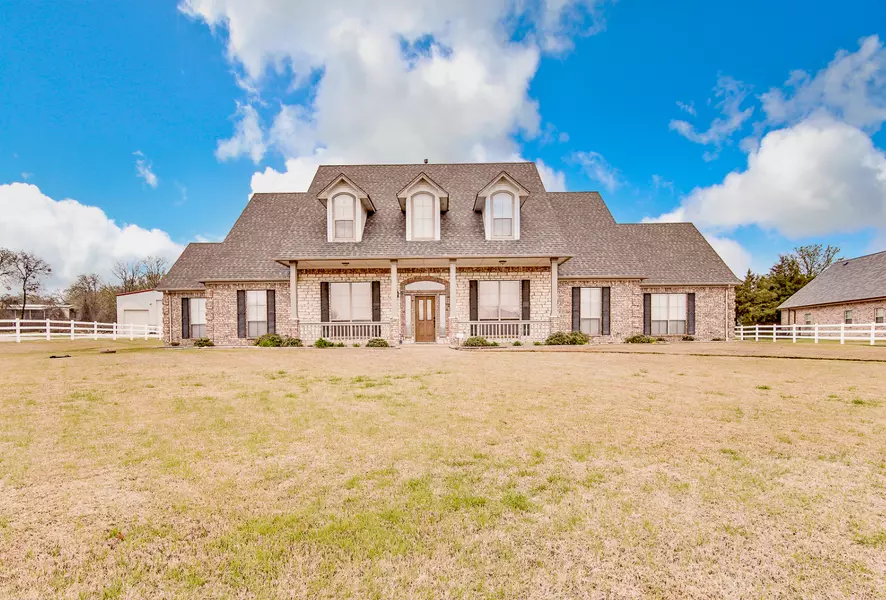
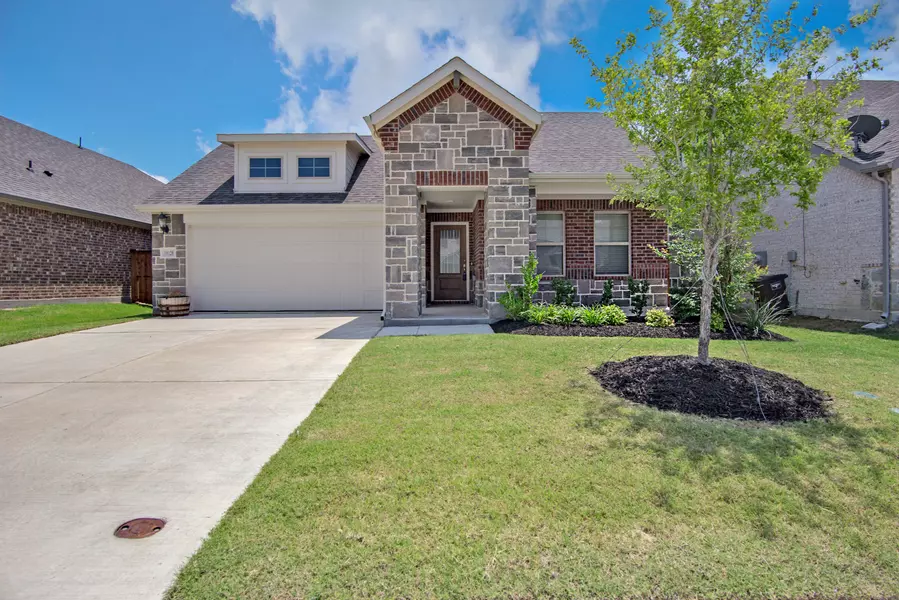
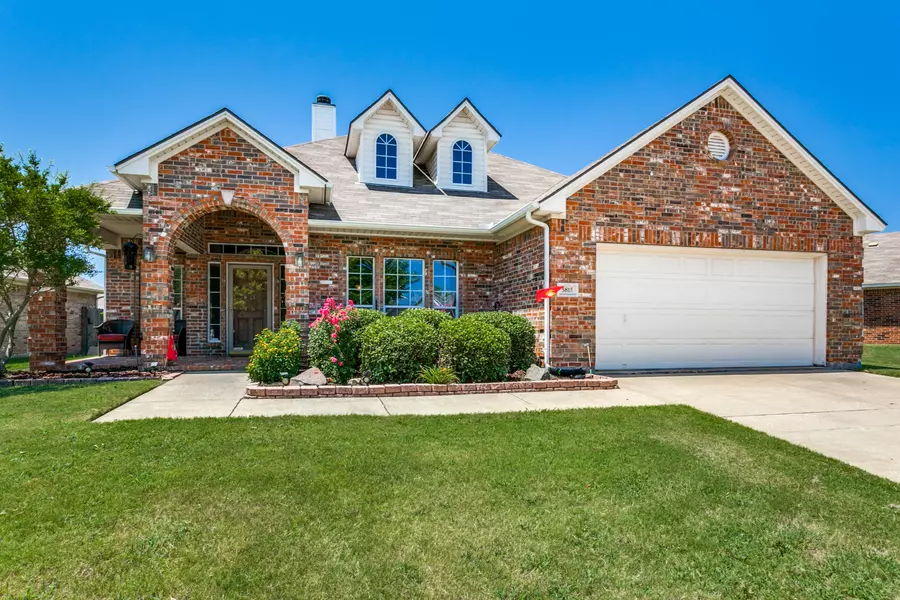
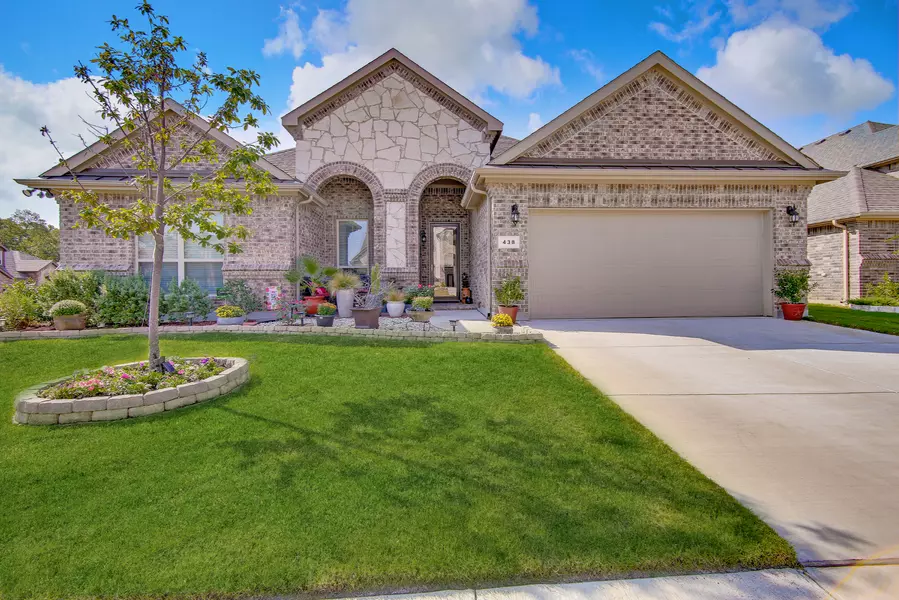
Listed by Stephanie Deeds of Point Realty


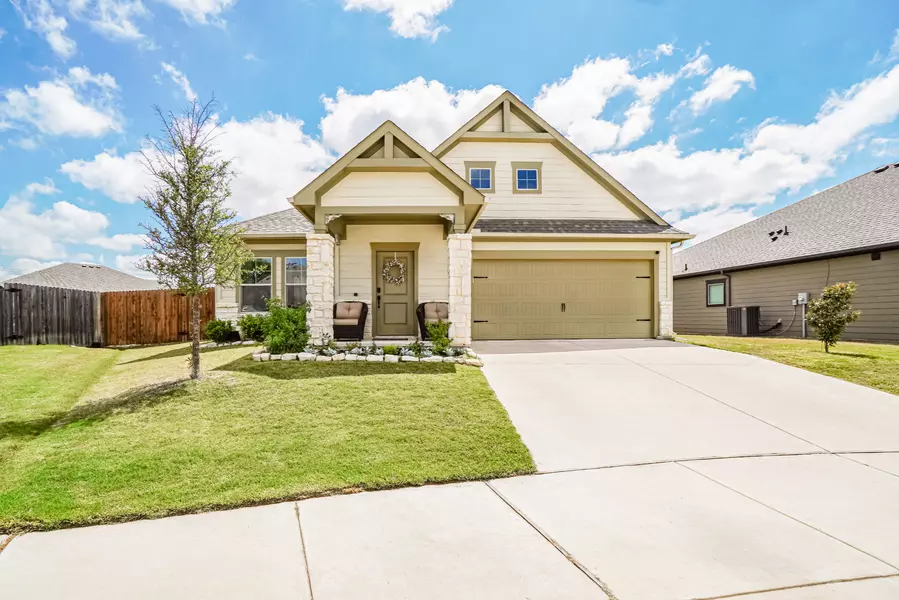
Listed by Brandon Stewart of Point Realty

Listed by Meagon Elliott of Point Realty

Listed by Stephanie Deeds of Point Realty

Listed by Nathanael Reddick of Point Realty
WANT TO START SEARCHING FOR HOMES?
Explore Communities South of Dallas-Fort Worth
Then cards for your primary cities.
Mansfield, Texas
Growing community positioned between Dallas and Fort Worth with established neighborhoods, new construction, shopping, recreation and convenient access to major highways.
Arlington, Texas
Located between Dallas and Fort Worth and home to major entertainment, established neighborhoods, newer developments and a wide range of housing options.
Midlothian, Texas
South of the Metroplex with new construction, larger homesites in some areas and continued residential and commercial growth.
Burleson, Texas
Located south of Fort Worth with established neighborhoods, new construction, shopping and convenient access toward Fort Worth.
Grand Prairie, Texas
Centrally positioned between Dallas and Fort Worth with access to major highways, entertainment and a variety of housing options.