DFW vs. Austin: Which Texas Metro Is Actually Better for You?

DFW vs. Austin: Which Texas Metro Is Actually Better for You?
If you're thinking about moving to Texas, there's a good chance you've narrowed your search down to two places.
Dallas–Fort Worth or Austin.
And I get it.
Both have growing communities, plenty of things to do, employment opportunities, and that Texas lifestyle so many people are looking for.
But here's what I want you to know before you start searching for houses.
Living in DFW and living in Austin can be two very different experiences.
And I'm not just talking about the cost of a house.
I'm talking about your commute, your weekends, the type of neighborhood you live in, how much space you get for your money, and what everyday life actually looks like.
I'm Stephanie Deeds, Broker/Owner of Point Realty here in Mansfield, Texas. John and I help buyers and sellers throughout the southern Dallas–Fort Worth area, including Mansfield, Arlington, Burleson, Midlothian, and Grand Prairie.
And one thing I've learned over the years is that people don't always realize how different Texas communities can be.
Sometimes someone tells me they're considering Austin because they love the restaurants, live music, outdoor activities, and energy of the city.
And my first question is usually something like this:
Have you actually explored Fort Worth? Or Mansfield? Or Downtown Arlington?
Because there's a whole side of DFW that you may not have considered.
And I'm not just talking about big shopping centers and chain restaurants.
I'm talking about historic theaters, outdoor concerts, local breweries, live music venues, farmers markets, hockey, community festivals, and some really interesting places that give our communities their own personalities.
So let's compare DFW and Austin, not just by looking at statistics, but by talking about what it's really like to live in each area.
And by the end, I want you to have a better idea of which one might be the right fit for your next move.
1. First, DFW Is Much Bigger Than Austin
Let's start with something that surprises a lot of people.
Dallas–Fort Worth is significantly larger than Austin.
According to the U.S. Census Bureau's July 2025 metropolitan population estimates:
-
Dallas–Fort Worth–Arlington: Approximately 8.48 million residents
-
Austin–Round Rock–San Marcos: Approximately 2.62 million residents
That makes the DFW metro area more than three times the size of the Austin metro area.
But what does that actually mean when you're deciding where to live?
It means DFW offers an enormous variety of communities, and they don't all feel anything alike.
Living in Uptown Dallas is completely different from living in Mansfield.
Living near the Fort Worth Stockyards is different from living in Midlothian.
And living in South Arlington is different from living in Frisco.
That's one of the things I think people misunderstand when they start researching DFW.
They picture Dallas.
The skyline.
The traffic.
The highways.
The busy downtown atmosphere.
And they assume that's what living anywhere in DFW must feel like.
But that's simply not true.
If you head south of Dallas and Fort Worth, you'll find communities with historic downtown areas, local restaurants, outdoor entertainment, neighborhood parks, newer subdivisions, and a different pace of everyday life.
That's the part of DFW John and I love sharing on our South of Cowtown YouTube channel.
My takeaway: Austin is the smaller metro, but DFW gives you a much wider variety of cities and neighborhoods to choose from.
2. Home Prices: Where Will Your Money Go Further?
Now let's talk about the question almost everyone asks first.
Where can I get more house for my money?
And this is where the comparison gets interesting.
Austin has developed a reputation for expensive housing, particularly in popular central neighborhoods and areas close to major employment centers.
But DFW isn't automatically inexpensive either.
There are neighborhoods in Dallas, Plano, Frisco, and other parts of North Texas where home prices can be substantial.
That's why comparing Austin with the city of Dallas alone doesn't tell you very much.
You have to look at the communities where you'd actually want to live.
For some perspective, Realtor.com's August 2026 market data reported these approximate median listing prices:
-
Austin: $535,000
-
Dallas: $430,000
-
Fort Worth: $345,000
-
Arlington: $355,000
These are city-level asking-price figures, not metropolitan median sold prices, and they don't account for differences in home size, condition, or location.
But they help illustrate something important.
Your housing options can change dramatically depending on which part of DFW you're considering.
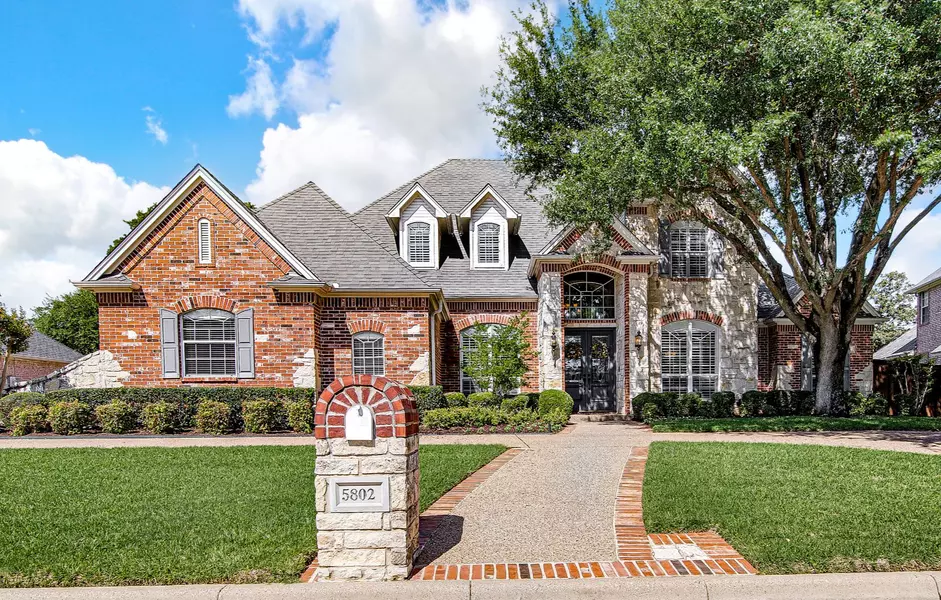
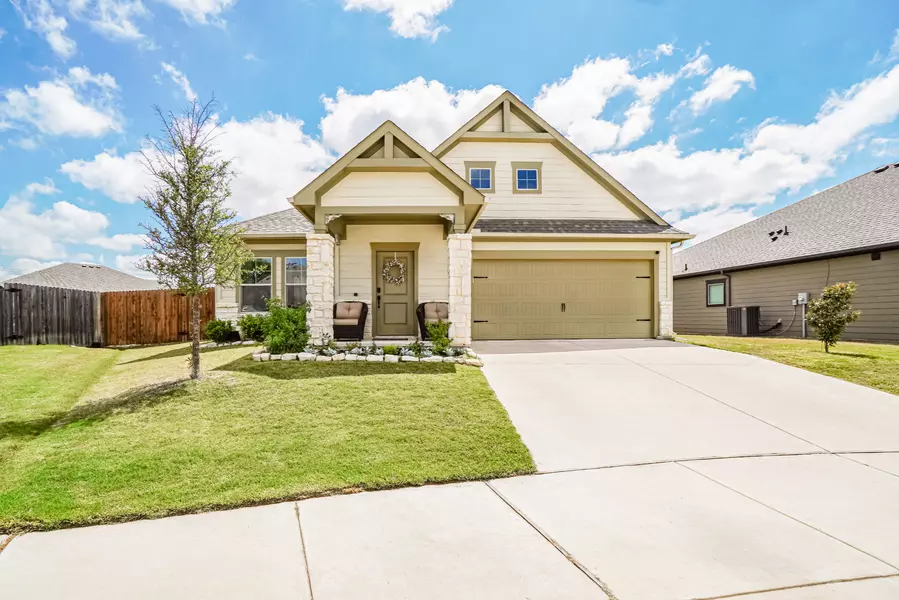
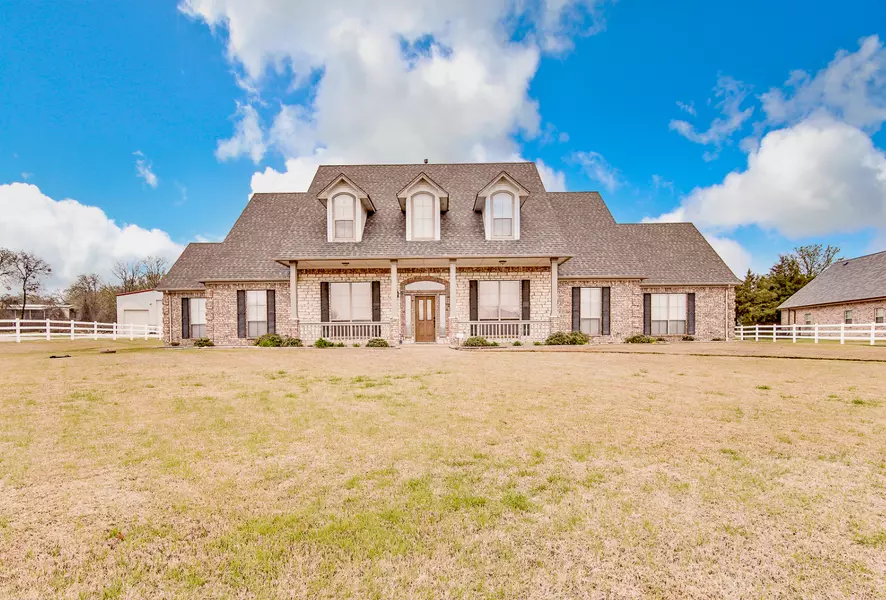
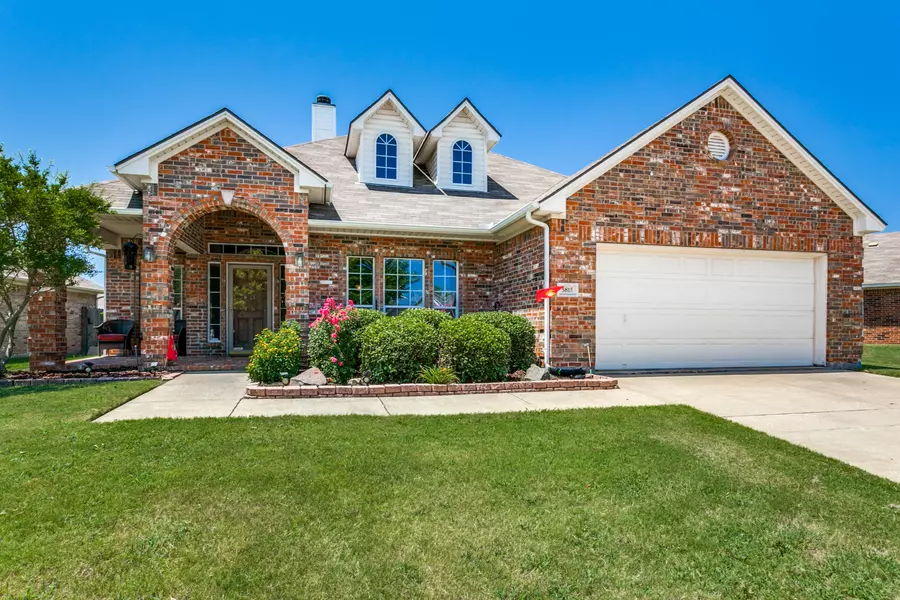
For example, if you're looking at homes in Mansfield, Burleson, or South Arlington, you may find options that look very different from what you'd see in central Austin at a similar budget.
Maybe you want a four-bedroom home.
Maybe you want a backyard.
Maybe you're hoping for a home office, a three-car garage, or a neighborhood with a community pool.
Or maybe you're a first-time buyer looking for something more manageable.
Those are all reasons to compare specific neighborhoods rather than entire metro areas.
And here's something else.
Austin's housing market has changed considerably from the intense competition buyers experienced during the pandemic years.
So I wouldn't assume every Austin home is overpriced or that every DFW property is a bargain.
Both markets have opportunities.
We just need to compare the actual homes, locations, and monthly costs.
3. The Lifestyle: Austin Has Its Reputation, but DFW Has More Than You Might Expect
This might be the biggest difference between the two areas.
Austin has a very recognizable personality.
Live music.
Outdoor recreation.
Food trucks.
The Hill Country.
And plenty of opportunities to spend time around the water.
If you love kayaking on Lady Bird Lake, spending a weekend at Barton Springs, or heading into the Hill Country, I can absolutely understand Austin's appeal.
And I'm not going to pretend DFW is exactly the same.
It's not.
But here's where I think DFW deserves more credit.
You don't have to live in Austin to enjoy local music, interesting restaurants, outdoor activities, and community events.
And you don't have to drive into Dallas or Fort Worth every time you want something fun to do.
Let me show you what I mean.
Mansfield, Texas: Historic Downtown, Live Entertainment, and Some Unexpected Attractions
Mansfield is home for us, and one of the things I love is how much the city continues to develop while still preserving pieces of its history.
If you've never spent time in Historic Downtown Mansfield, I would absolutely encourage you to explore it.
And I'm not just talking about grabbing dinner.
Let's start with Geyer Commons, a downtown destination on East Broad Street that brings together outdoor gathering areas, a splash pad, event lawns, and a cottage market featuring local vendors.
It's the kind of place that gives people another reason to spend time downtown instead of simply driving through.
And I love seeing Mansfield create more opportunities for residents to gather and support local businesses.
Then there's the Farr Best Theater on Main Street.
This is one of my favorite examples of how Mansfield has held onto its history.
The theater dates back to 1917 and has been revitalized as an intimate performance space for live entertainment, music, films, and cultural events.
Think about that.
You can live in a suburban community and still have a historic theater right in your own downtown.
That's pretty special.
And here's something that surprises people who don't know Mansfield very well.
We have an ice skating and hockey facility!
StarCenter Mansfield, located on East Broad Street, features two ice rinks and hosts hockey leagues, tournaments, skating lessons, and recreational activities.
So if your family loves hockey or someone has always wanted to learn to skate, you don't have to travel all the way to Dallas to get on the ice.
We also have Elmer W. Oliver Nature Park, which is a beautiful place to enjoy walking trails and natural surroundings.
And Walnut Creek Linear Park gives residents additional opportunities to get outside and enjoy Mansfield's trail system.
Plus, we have local dining, community festivals, golf courses, and entertainment options throughout the city.
This is what I mean when I say Mansfield is more than a suburb of Fort Worth.
It has its own attractions and places that make it worth exploring.
Arlington, Texas: Professional Sports AND Free Live Music
Now let's talk about Arlington.
Most people know Arlington for the big attractions.
AT&T Stadium.
Globe Life Field.
Texas Live!
Six Flags Over Texas.
And those are absolutely major advantages if you enjoy professional sports, concerts, and entertainment.
But there's another side of Arlington that I think deserves just as much attention.
Downtown Arlington has its own local arts and live music scene.
One of my favorite examples is Levitt Pavilion Arlington.
Located in the heart of Downtown Arlington, the Levitt Pavilion hosts outdoor concerts featuring everything from Texas country and blues to Latin music, jazz, rock, and more.
And here's the best part.
Most of the concerts are free.
You can bring a lawn chair or blanket, meet friends, and enjoy live music under the stars.
And you don't have to make an entire weekend trip out of it.
You can grab dinner at a local restaurant and head over for a concert.
There are great downtown spots nearby, including Hurtado Barbecue, Grease Monkey, Cane Rosso, Division Brewing, and The Tipsy Oak.
That's a completely different experience from what people picture when they think of Arlington as just the home of the Cowboys and Rangers.
And if you enjoy outdoor recreation, you've also got Lake Arlington, parks, and trails throughout the city.
I especially love showing people South and Southwest Arlington because those residential areas can feel very different from the busy Entertainment District.
You can enjoy a neighborhood setting while still having access to all these attractions.
Burleson, Texas: Old Town, Live Music, and Local Character
Now, Burleson is another community that I think surprises people.
If you only know Burleson from driving along I-35W, you're missing one of the best parts.
Old Town Burleson.
This is where I think Burleson really shows off its personality.
You've got historic buildings, local restaurants, unique shops, and a downtown area that actually gives people reasons to spend time there.
And if you enjoy live music, there are several places worth knowing about.
One is Station 330 on South Main Street.
This is such an interesting concept because it combines scratch-made food, outdoor entertainment, and a connection to Burleson's railroad history.
The venue is inspired by the historic Interurban Express Rail Car 330, and it regularly features live music.
It's a great example of a restaurant that's more than just somewhere to eat.
Then there's Old Texas Brewing Company on West Ellison Street.
It's a local brewery and restaurant with a rooftop Skybar and live music.
So if you're looking for a place to spend an evening with friends, Old Town has options that don't require driving into Fort Worth.
Another spot is The Spice Rack, a longtime Old Town restaurant and bar that also features live music.
And right in the middle of Old Town, you'll find Mayor Vera Calvin Plaza.
This is one of those public spaces that I think makes a downtown feel like a real community gathering place.
There's a performance stage, outdoor seating, lawn areas, and space for community activities.
The plaza hosts events such as live music, markets, and seasonal celebrations.
And something I think is especially unique is the connection to Burleson's railroad history, including the restored rail cars near the Burleson Heritage Museum.
How many suburbs can say they have historic rail cars incorporated into their downtown attractions?
Burleson also has its farmers market, local festivals, and seasonal concert events.
And if you want even more music options, Hoots Hall offers a Texas country dancehall experience elsewhere in the Burleson area.
So when someone tells me Austin is the place to go for live music, I understand why.
Austin has earned that reputation.
But I also want people to know that South DFW has its own live music scene, and you can enjoy it right in these local communities.
Grand Prairie, Texas: Lakes, Recreation, and Entertainment
Grand Prairie is another area that offers a lot more variety than people sometimes expect.
One of the biggest attractions is Joe Pool Lake.
If you enjoy being near the water, spending time outdoors, or taking advantage of parks and recreation, this is definitely an area worth exploring.
You also have Lynn Creek Park, EpicCentral, and other entertainment and recreation destinations.
And because Grand Prairie sits between Dallas and Fort Worth, different neighborhoods offer different access to the surrounding metroplex.
That's something I always want buyers to consider.
Grand Prairie isn't one single type of community.
And the experience can vary significantly depending on which part of the city you're exploring.
Midlothian, Texas: A Different Pace With Growing Local Amenities
Midlothian offers another option for buyers who want to explore communities south of Dallas.
You'll find newer residential developments, local restaurants, parks, and a growing number of community activities.
It's also an area where buyers may want to explore different lot sizes and home styles.
If you're someone who doesn't need to be near major entertainment venues every weekend and prefers a more residential setting, Midlothian may be worth considering.
And because it's located south of Dallas, I always recommend looking closely at your commute and daily routine before deciding.
Here's my point about all five of these communities:
You don't have to live in downtown Dallas to enjoy everything DFW has to offer.
And you don't have to choose Austin just because you enjoy live music, outdoor recreation, or locally owned restaurants.
South DFW has plenty of its own personality.
You just have to know where to look.
4. Traffic and Commutes: Let's Talk About the Reality
Okay, we have to talk about traffic.
Because if you're moving to either Austin or DFW, you need to understand what your commute could look like.
Neither area is immune to congestion.
Austin has major commuting corridors like I-35, MoPac, and Highway 183.
And anyone familiar with Austin knows that traffic can be frustrating, especially when you're trying to move north and south through the city.
DFW has its own challenges.
We've got I-35W, I-20, Highway 287, Highway 360, the Dallas North Tollway, and plenty of other busy roads.
But here's the difference I want you to think about.
DFW is so spread out that choosing the wrong location can dramatically change your daily routine.
For example, let's say you work in downtown Fort Worth.
Living in Burleson may make more sense to explore than living on the far eastern side of DFW.
If you work near Arlington, you might consider South Arlington, Mansfield, or Grand Prairie.
If you're commuting to Dallas, we need to look closely at the actual route and travel times before choosing a neighborhood.
And if you work remotely?
Well, that opens up an entirely different set of possibilities.
One of the biggest mistakes I see relocating buyers make is falling in love with a house before understanding the commute.
They see a beautiful new construction home.
The price looks good.
The neighborhood looks wonderful.
And then they discover what the drive is like during rush hour.
That's why I always recommend testing your commute during the hours you'd actually be traveling.
Not at 11 o'clock on a Sunday morning.
My takeaway: Both metros have traffic. In DFW, your choice of suburb and your workplace location can make an enormous difference.
5. Jobs and Career Opportunities: Different Strengths
Both Austin and DFW have major employers and growing business communities.
But their economies have different characteristics.
Austin is widely associated with technology, software, semiconductors, government, higher education, and the University of Texas.
That makes it attractive to people whose careers align with those industries.
DFW, on the other hand, has a particularly broad employment landscape.
You'll find major employers across healthcare, finance, technology, aerospace, defense, transportation, logistics, manufacturing, and corporate services.
And because DFW is so geographically large, employment centers are spread throughout the region.
Dallas has major corporate and financial districts.
Fort Worth has its own strong business and employment base.
Arlington and the surrounding cities have healthcare, education, manufacturing, and other employers.
But here's the part I really want you to consider.
Don't choose a metro based only on its reputation for job opportunities.
Look at where your specific employer or industry is located.
A job in North Dallas may create a very different housing search than a job in Fort Worth.
And a job in Austin's northern technology corridor may make Round Rock or another nearby community more practical than central Austin.
Your career and your home location need to work together.
6. What About Schools?
If schools are part of your relocation decision, both DFW and the Austin area offer multiple school districts to research.
But there's something important I want you to understand.
School districts don't always follow city boundaries.
This is especially relevant here in South DFW.
For example, some homes with Arlington addresses are zoned to Mansfield ISD.
And not every property with a Mansfield mailing address necessarily has the same school assignment.
So if you're searching online and filtering only by city name, you may be overlooking communities that could fit your needs.
The same general principle applies around Austin, where school district boundaries and municipal boundaries may not line up.
I recommend looking at individual school assignments, programs, transportation, and any other educational considerations that matter to you.
And always verify current attendance boundaries directly with the district before purchasing.
Don't rely solely on a listing description.
7. Property Taxes and the True Cost of Living
Here's something that surprises people relocating to Texas.
Texas doesn't have a state individual income tax.
And that's true whether you live in Austin or DFW.
But that doesn't mean homeownership is automatically inexpensive.
Texas relies heavily on local property taxes, and the amount you pay can vary depending on the property's value and the taxing jurisdictions involved.
In some communities, you may also encounter HOA dues, Public Improvement District assessments, or other applicable costs.
And if you're considering new construction, I want you to be especially careful.
Because the property tax estimate shown on a newly built home may not fully reflect what you'll pay after the completed home is assessed.
I've talked about this in our South of Cowtown videos because I don't want buyers surprised by an increase in their escrow payment later.
And the same thing applies whether you're purchasing in Austin, Mansfield, Burleson, or anywhere else in Texas.
We need to look at the complete picture.
The purchase price.
The mortgage payment.
Property taxes.
Homeowners insurance.
HOA dues.
And any additional assessments.
Because a house that looks less expensive on paper may not always have the lowest monthly cost.
8. Weather: Both Are Hot, but They're Not Identical
Let's be clear about something.
If you're moving to Texas, you're going to experience hot summers.
Whether you choose Austin or DFW, air conditioning is not optional in my book!
But the weather patterns aren't exactly the same.
Austin is farther south and is known for its hot summers and access to the Central Texas Hill Country.
DFW is farther north, with hot summers, thunderstorms, hail, and occasional winter weather that can bring freezing temperatures and ice.
Both regions can experience severe weather.
And both have areas where flooding can be a concern.
That's why I recommend looking at insurance costs, property condition, and location-specific risks before buying.
In DFW, roof condition and hail-related insurance coverage are particularly important topics.
And in either metro, I'd want buyers to understand their homeowners insurance policy, deductibles, and potential maintenance expenses.
Because the cost of owning a home doesn't stop at the mortgage.
9. New Construction: Where Do You Have More Choices?
This is one of the areas where I think DFW can be particularly interesting for buyers.
And especially South DFW.
If you're looking for a brand-new home, there are communities worth exploring throughout Mansfield, Burleson, Midlothian, Grand Prairie, and surrounding areas.
Depending on the location and available inventory, you may find single-story homes, larger two-story floor plans, neighborhoods with pools and walking trails, homes with dedicated offices, and developments offering different lot sizes.
And there may be opportunities to compare completed homes with properties that are still under construction.
Austin and its surrounding communities also have substantial new construction activity, particularly in growing suburban areas.
So I wouldn't say one metro automatically wins.
But here's where I think having a local agent matters.
Not every new construction community is offering the same value.
A builder may advertise a lower mortgage rate.
Another may offer closing-cost assistance.
Another may have reduced the price on a completed home.
And another may have a floor plan you love but additional tax or assessment obligations that change the monthly payment.
I want to compare those things before you decide.
Because the prettiest model home isn't necessarily the best purchase for you.
10. What Does Everyday Life Actually Look Like?
This may be my favorite part of the comparison.
Because when people research a city, they tend to look at the big attractions.
The restaurants.
The festivals.
The sports teams.
The downtown areas.
But what does your average Tuesday look like?
That's what I want you to think about.
Are you spending an hour in traffic every afternoon?
Do you have parks or walking trails nearby?
Is there somewhere local you enjoy meeting friends?
Can you take advantage of concerts, community events, and recreational activities without having to make a big trip out of it?
Can you get to work, school, and your regular appointments without spending half your day in the car?
These questions aren't as exciting as looking at beautiful houses online.
But they matter.
And that's why I always encourage relocating buyers to spend time exploring the communities they're considering.
Not just touring houses.
Drive through the neighborhood.
Visit the grocery store.
Spend an evening in Historic Downtown Mansfield.
Check out a concert at Levitt Pavilion in Arlington.
Have dinner and listen to live music in Old Town Burleson.
See what the area looks like on a normal weekday.
Because there's a big difference between visiting a city for a weekend and living there every day.
DFW vs. Austin: Which One Is Right for You?
So, which Texas metro should you choose?
I think it depends on what you're looking for.
If you love Austin's particular mix of live music, Hill Country recreation, and Central Texas culture, Austin may be exactly what you're looking for.
And there's nothing wrong with that.
But if you want a much larger selection of cities, major professional sports, varied employment centers, and the ability to compare many different suburban lifestyles, DFW may be worth a closer look.
And if you're drawn to DFW but don't necessarily want to live in Dallas?
That's where I think South of Cowtown gets really interesting.
You may love Mansfield's combination of local entertainment, historic downtown attractions, and neighborhood amenities.
Or the sports, concerts, and location of Arlington.
Or the live music, restaurants, and local character of Old Town Burleson.
Or the newer housing opportunities around Midlothian.
Or the recreational options near Joe Pool Lake in Grand Prairie.
And the beauty of having so many different communities is that you don't have to force yourself into a neighborhood that doesn't fit.
You have choices.
A Quick Comparison
| What matters to you | DFW | Austin |
|---|---|---|
| Metro size | Much larger, with many distinct cities | Smaller metro |
| Housing | Broad variety of price points and neighborhoods | Varies widely, with higher-priced central areas |
| Employment | Diverse industries and dispersed job centers | Strong tech, government, and university presence |
| Outdoor recreation | Lakes, parks, trails, golf, sports | Hill Country, trails, springs, lakes |
| Live music | Downtown venues, free outdoor concerts, local music scenes, major tours | Internationally recognized live-music culture |
| Entertainment | Major professional sports, theaters, concerts, museums, dining | Live music, festivals, arts, dining, outdoor activities |
| Traffic | Significant; location matters enormously | Significant; major corridors can be congested |
| New construction | Many suburban choices across a large region | Many choices in surrounding suburbs |
| Best fit | Buyers wanting variety across multiple communities | Buyers especially drawn to Central Texas culture and landscape |
My Advice if You're Trying To Decide Between DFW and Austin
Don't start by asking which city is better.
Start by asking which city is better for you.
Where will you work?
What kind of home do you want?
What monthly payment feels comfortable?
Do you prefer being near major entertainment venues or outdoor recreation?
Do you want a walkable downtown nearby, a suburban community, or more space between houses?
And how do you want to spend your weekends?
Those answers will tell us much more than a national ranking of the best places to live.
And if you decide DFW might be the better fit, don't limit yourself to searching for homes in Dallas.
There's so much more to this area.
Thinking About Moving to DFW? Let Me Show You South of Cowtown.
If you're comparing Austin and Dallas–Fort Worth because you're planning a move to Texas, I'd love to help you explore what South DFW has to offer.
I'm Stephanie Deeds, Broker/Owner of Point Realty, and John and I love helping people discover communities they may never have considered.
From Mansfield and Arlington to Burleson, Midlothian, and Grand Prairie, there are so many different options.
And I don't want you choosing a home simply because it looked good in pictures.
I want you to choose a community that works for your everyday life.
Let's schedule a Buyer Strategy Session and talk about what you're looking for.
We'll discuss your budget, your commute, your priorities, and the types of neighborhoods that might be a good fit.
And if you're not quite ready to move, that's okay too.
You can start getting familiar with the area by watching our South of Cowtown with The Deeds YouTube channel, where we share neighborhood spotlights, new construction tours, local restaurants, and helpful information about living in South DFW.
Call or text HOME to 817-659-0980
Email: info@thedeedsgroup.com
Website: www.thedeedsgroup.com
Let's find the Texas community that feels right for you.
— Stephanie Deeds
Broker/Owner, Point Realty
The Deeds Group
South of Cowtown with The Deeds
Creating Your Next…
Housing prices, market conditions, school assignments, taxes, and builder incentives vary by location and change over time. Local venue schedules, events, and amenities may also change. Verify current details before making relocation or purchasing decisions.
Categories
- All Blogs 489
- Buying A Home 68
- Community Neighborhood Guides 11
- DFW Lifestyle 42
- Eat, Drink, & Shop Local 13
- First Time Home Buyer Tips 163
- Homeownership Tips & Tricks 25
- Living in Arlington, TX 10
- Living in Burleson 11
- Living in Dallas Fort Worth Metroplex 81
- Living In Texas 20
- Mansfield, TX 17
- Midlothian, TX 16
- Mortgage Rates, Financing, and Affordability 41
- New Construction & Developments in DFW 14
- Real Estate Investing 34
- Real Estate News 67
- Rentals, Property Management, & Leasing 13
- Selling Your House 164
- Texas Relocation Guide 45
- Things To Do in DFW 7
Recent Posts






MY BLOGS
 DFW vs. Austin: Which Texas Metro Is Actually Better for You? If you're thinking about moving to Texas, there's a good chance you've narrowed your search down to two places. Dallas–Fort Worth or Austin. And I get it. Both have growing communities, plenty of things to do, employment opportunities, an
- Youth Sports & Recreation in South DFW: Parks, Recreation Centers & Sports Complexes Families Should Know If you have kids involved in sports, you already know how much of your life revolves around practices, games, tournaments, and finding something fun to do on the weekends. And when you're moving
- Why Is Your Zillow Zestimate Wrong in Arlington, TX? Have you ever looked up your house on Zillow and thought, There's no way that's what my home is worth! Or maybe you had the opposite reaction. You saw your Zestimate, got excited about how much equity you might have, and started wondering if now w
- Best Date Nights in Arlington, Mansfield, Midlothian & Burleson, TX Looking for something fun to do for date night without driving all the way into Dallas or Fort Worth? One thing I love about living in South DFW is that we have so many great local restaurants, entertainment venues, and little downt
MY BLOGS
- DFW vs. Austin: Which Texas Metro Is Actually Better for You?
- Youth Sports & Recreation in South DFW: Parks, Recreation Centers & Sports Complexes Families Should Know
- Why Is Your Zillow Zestimate Wrong in Arlington, TX?

MY BLOGS
Local News, Events & More Emailed Daily!